Stills
Info
Orchestrating premium visual commerce at scale. For Stills—a design-forward photo licensing platform—I served as the Lead Designer across a 9-month product cycle from initial concept to public launch. Partnering closely with the Product Design Manager and CTO, I directed the design architecture of a complex, 3-sided platform ecosystem: a visually immersive customer-facing marketplace, a high-utility enterprise portal for artists and agency managers, and a centralized administrative engine. Operating as a player-coach, I owned the unified design system while mentoring two product designers, delivering a robust suite that launched with over 250k premium visual assets.
Orchestrating premium visual commerce at scale. For Stills—a design-forward photo licensing platform—I served as the Lead Designer across a 9-month product cycle from initial concept to public launch. Partnering closely with the Product Design Manager and CTO, I directed the design architecture of a complex, 3-sided platform ecosystem: a visually immersive customer-facing marketplace, a high-utility enterprise portal for artists and agency managers, and a centralized administrative engine. Operating as a player-coach, I owned the unified design system while mentoring two product designers, delivering a robust suite that launched with over 250k premium visual assets.
Year
2022-2024
Client
FM
Services
Lead Product Design, Design System & Brand Direction

Strategic Alignment & Leadership
Strategic Alignment & Leadership
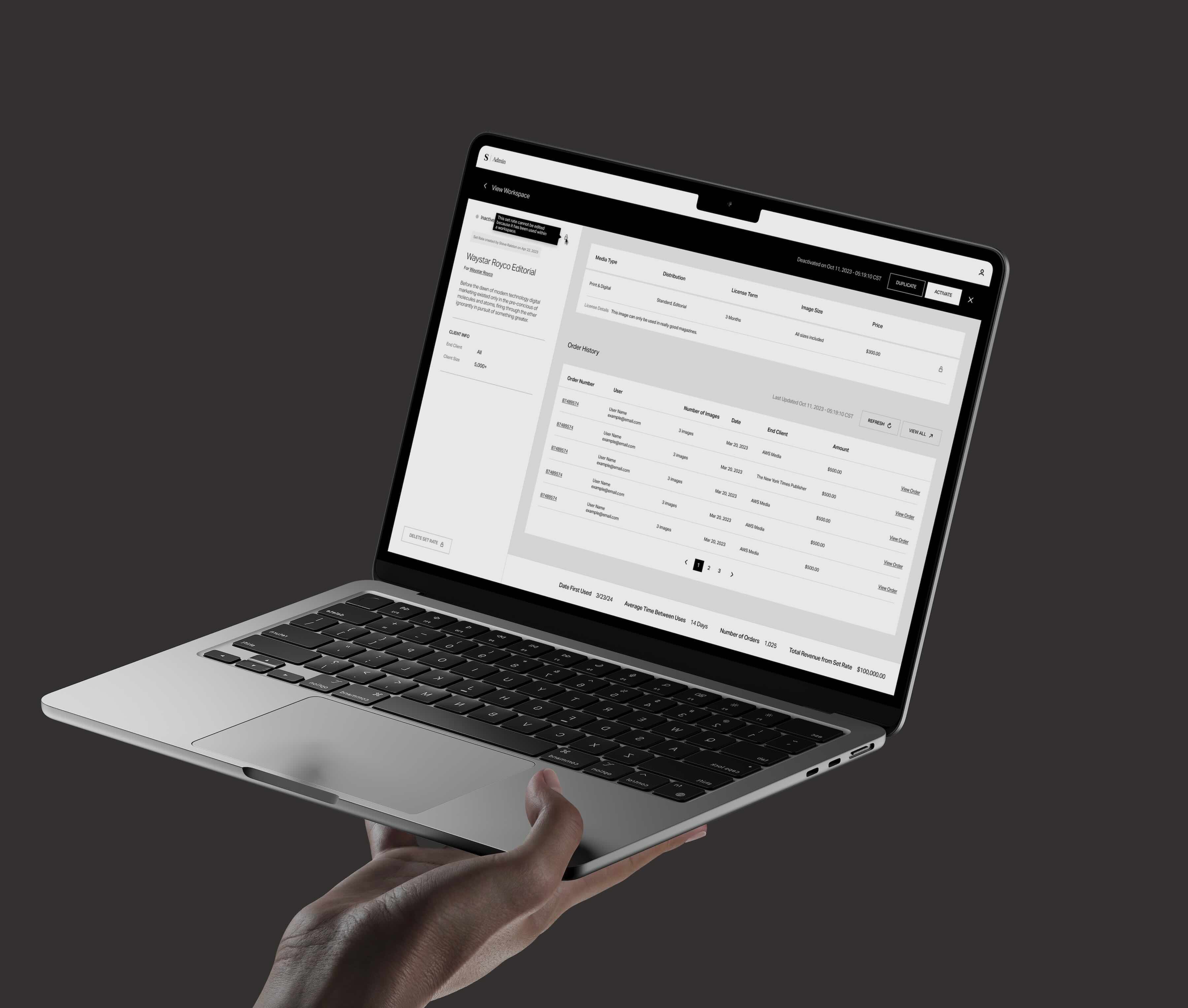
Launching a premium marketplace is an exercise in managing multi-platform complexity. Rather than designing isolated interfaces in a vacuum, my priority was to align the cross-functional product team on a cohesive platform strategy. Leading a small, focused design pod under the direction of our Product Design Manager and CTO, I established a highly collaborative, iterative workflow. By running structured design reviews and aligning early on technical constraints with engineering leadership, we successfully translated a massive product vision into a modular, shippable architecture over a 9-month timeline.
To support the product's scale, I took on the responsibility of mentoring and onboarding two mid-level product designers on the team. By structuring our Figma workspaces into clear, standardized exploration-to-production pipelines and leading weekly craft-focused feedback sessions, I helped elevate the team's visual execution and system precision. This peer mentorship ensured that while I focused heavily on defining the core product architecture and merchant-facing workflows, the customer and admin experiences developed with absolute visual and functional continuity, demonstrating how structured design leadership multiplies team output.
Launching a premium marketplace is an exercise in managing multi-platform complexity. Rather than designing isolated interfaces in a vacuum, my priority was to align the cross-functional product team on a cohesive platform strategy. Leading a small, focused design pod under the direction of our Product Design Manager and CTO, I established a highly collaborative, iterative workflow. By running structured design reviews and aligning early on technical constraints with engineering leadership, we successfully translated a massive product vision into a modular, shippable architecture over a 9-month timeline.
To support the product's scale, I took on the responsibility of mentoring and onboarding two mid-level product designers on the team. By structuring our Figma workspaces into clear, standardized exploration-to-production pipelines and leading weekly craft-focused feedback sessions, I helped elevate the team's visual execution and system precision. This peer mentorship ensured that while I focused heavily on defining the core product architecture and merchant-facing workflows, the customer and admin experiences developed with absolute visual and functional continuity, demonstrating how structured design leadership multiplies team output.

Catalog Operations & Creator Workspace
Catalog Operations & Creator Workspace
A photo licensing platform is fundamentally driven by the depth and organization of its catalog. While customer-facing search must feel effortless, the true engine of the business is the merchant experience—the Artist Portal. This utility-heavy interface was designed specifically for world-class photographers and agency managers who require hyper-efficient workflows to manage high volumes of content, track commercial transactions, and organize complex intellectual property permissions.
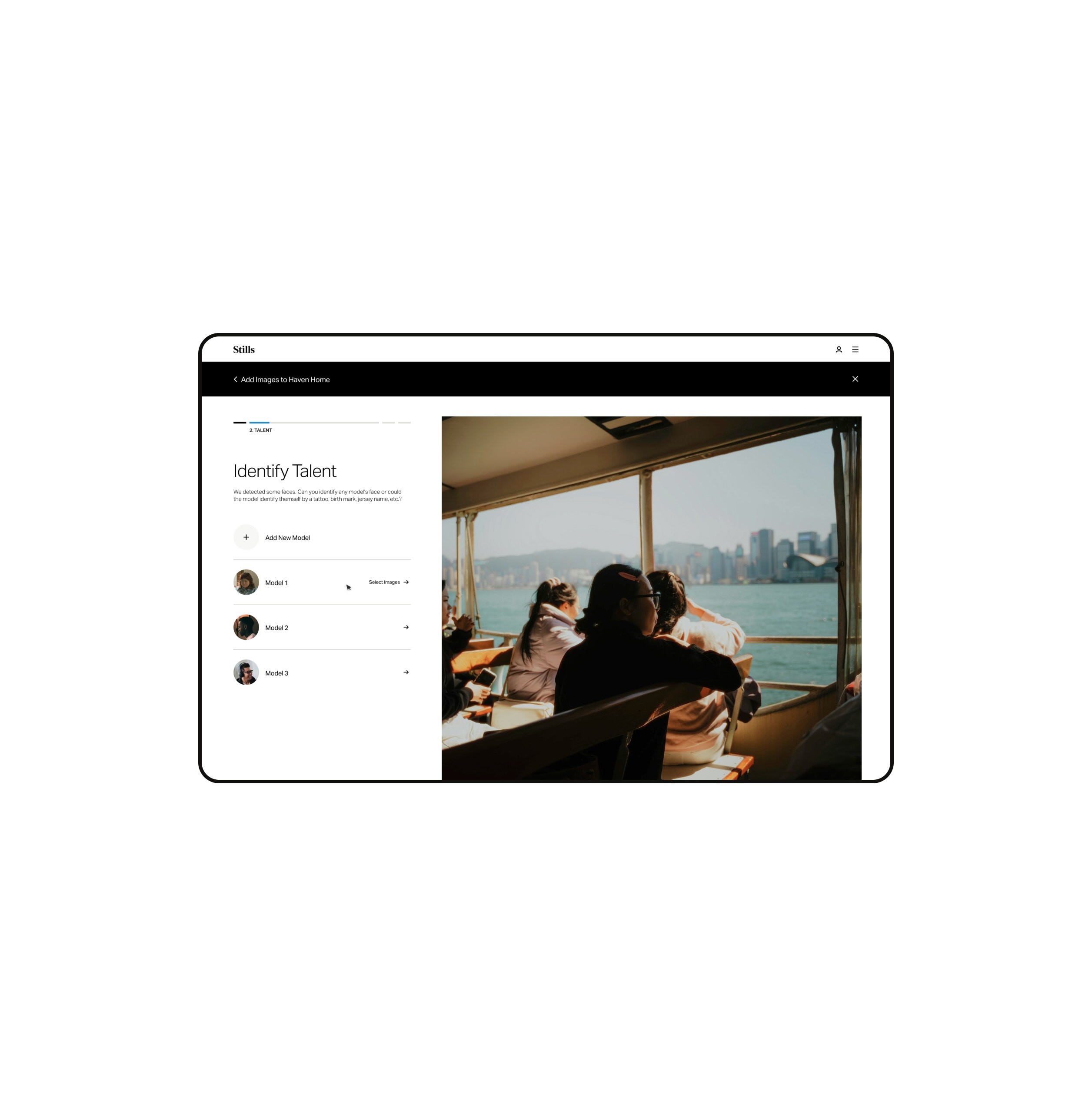
The Artist Portal functions as a highly dense operational control room. I architected a multi-step upload pipeline that processes hundreds of high-resolution images simultaneously, giving users instant, real-time feedback on upload progress. Once assets are in the system, the portal exposes a series of precise metadata controls. I designed custom tagging flows that allow creators to quickly associate talent releases, log camera specifications, tag models and locations, and organize images into cohesive shoots. To support agency models, I built out an elegant team management workspace featuring role-based seat delegation, shared project folders, billing subscription states, and clear order transaction trails. By consolidating these disparate utilities into a single, intuitive dashboard, we turned a complex asset-management chore into a streamlined, high-value workspace.
A photo licensing platform is fundamentally driven by the depth and organization of its catalog. While customer-facing search must feel effortless, the true engine of the business is the merchant experience—the Artist Portal. This utility-heavy interface was designed specifically for world-class photographers and agency managers who require hyper-efficient workflows to manage high volumes of content, track commercial transactions, and organize complex intellectual property permissions.
The Artist Portal functions as a highly dense operational control room. I architected a multi-step upload pipeline that processes hundreds of high-resolution images simultaneously, giving users instant, real-time feedback on upload progress. Once assets are in the system, the portal exposes a series of precise metadata controls. I designed custom tagging flows that allow creators to quickly associate talent releases, log camera specifications, tag models and locations, and organize images into cohesive shoots. To support agency models, I built out an elegant team management workspace featuring role-based seat delegation, shared project folders, billing subscription states, and clear order transaction trails. By consolidating these disparate utilities into a single, intuitive dashboard, we turned a complex asset-management chore into a streamlined, high-value workspace.

The Unified Design System
The Unified Design System
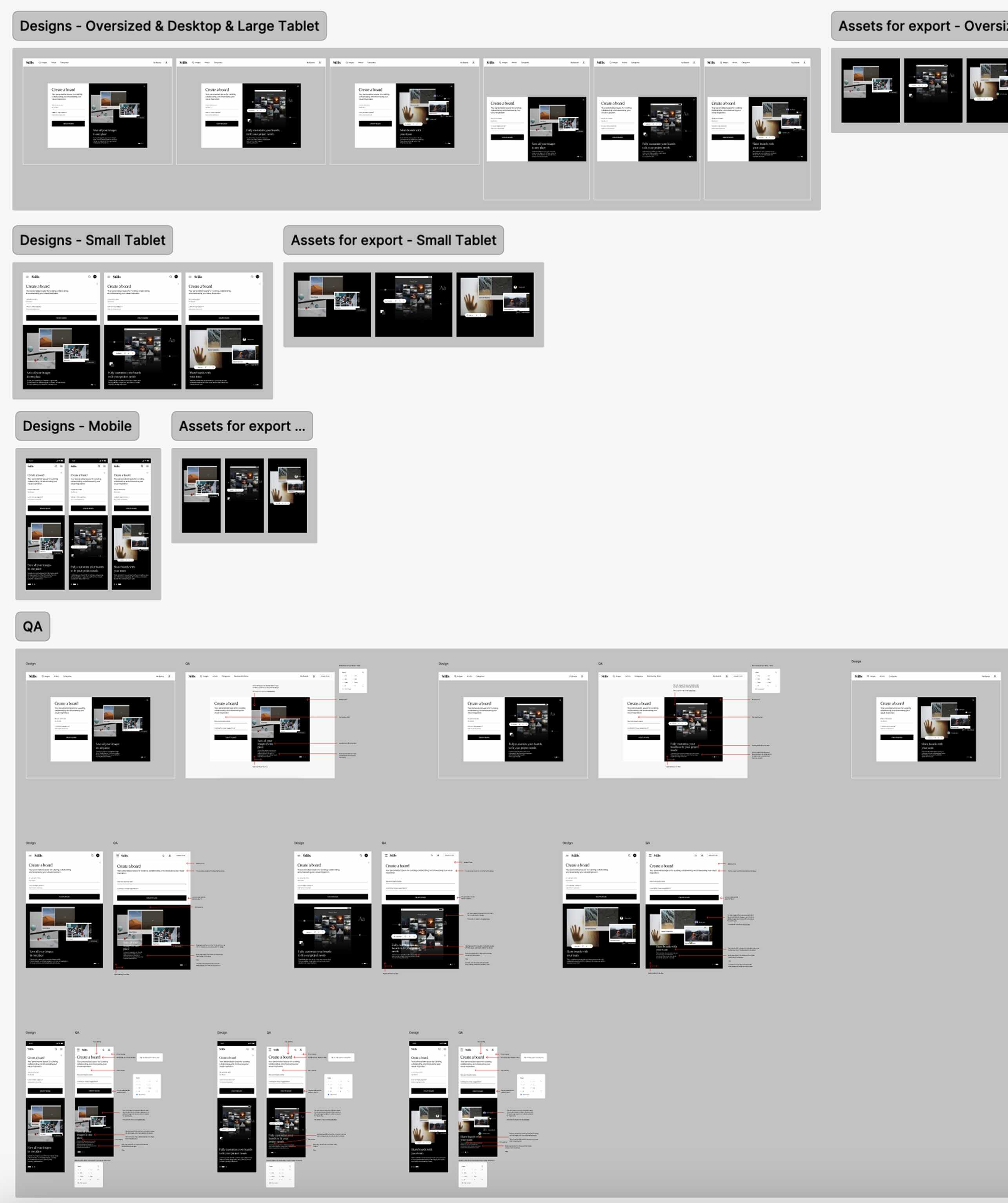
With three distinct platforms—the customer marketplace, the artist portal, and the internal admin panel—running in parallel, establishing design operations was critical. To maintain consistency and accelerate development velocity, I owned and architected Stills’ centralized Design System. This was not merely a UI kit, but a living, code-aligned library designed to govern visual hierarchy, typography, semantic color mapping, and interactive components across highly contrasting UI densities.
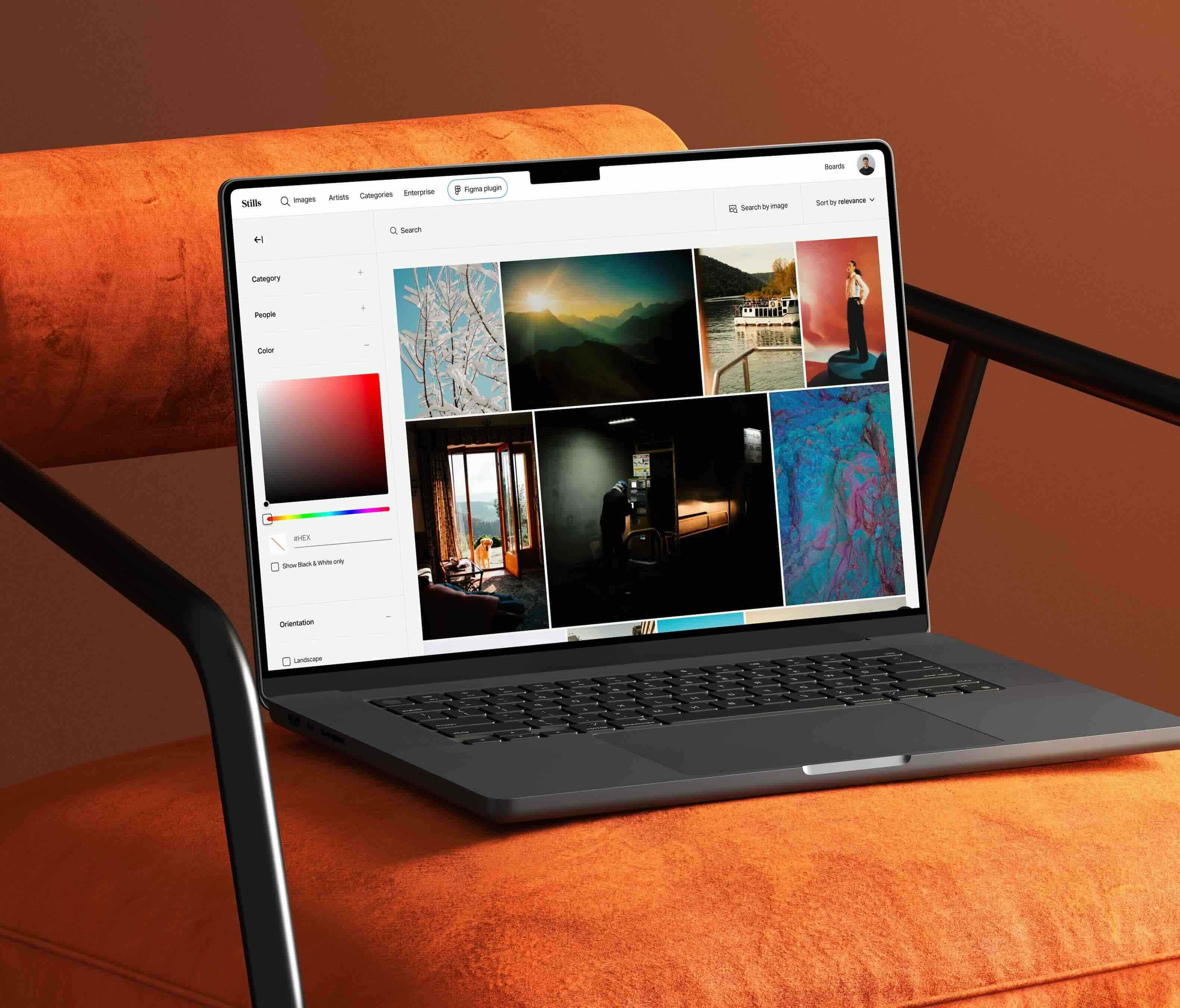
The primary design system challenge was mapping a single visual language across surfaces with radically different information densities. The customer-facing marketplace required spacious, elegant layouts with generous margins to let the photography breathe, whereas the Artist Portal and Internal Admin tools demanded maximum space efficiency, compact tabular grids, and dense form fields. To bridge this, I engineered a highly semantic token structure within our Figma variables, establishing relative spacing, typography scales, and sizing parameters that automatically scaled down for high-utility screens. This unified system became the single source of truth for the entire engineering organization, enabling developers to build new features with zero design handoff debt and maintaining a flawless visual standard across every touchpoint.
With three distinct platforms—the customer marketplace, the artist portal, and the internal admin panel—running in parallel, establishing design operations was critical. To maintain consistency and accelerate development velocity, I owned and architected Stills’ centralized Design System. This was not merely a UI kit, but a living, code-aligned library designed to govern visual hierarchy, typography, semantic color mapping, and interactive components across highly contrasting UI densities.
The primary design system challenge was mapping a single visual language across surfaces with radically different information densities. The customer-facing marketplace required spacious, elegant layouts with generous margins to let the photography breathe, whereas the Artist Portal and Internal Admin tools demanded maximum space efficiency, compact tabular grids, and dense form fields. To bridge this, I engineered a highly semantic token structure within our Figma variables, establishing relative spacing, typography scales, and sizing parameters that automatically scaled down for high-utility screens. This unified system became the single source of truth for the entire engineering organization, enabling developers to build new features with zero design handoff debt and maintaining a flawless visual standard across every touchpoint.
Brand-to-Product Integration
Brand-to-Product Integration
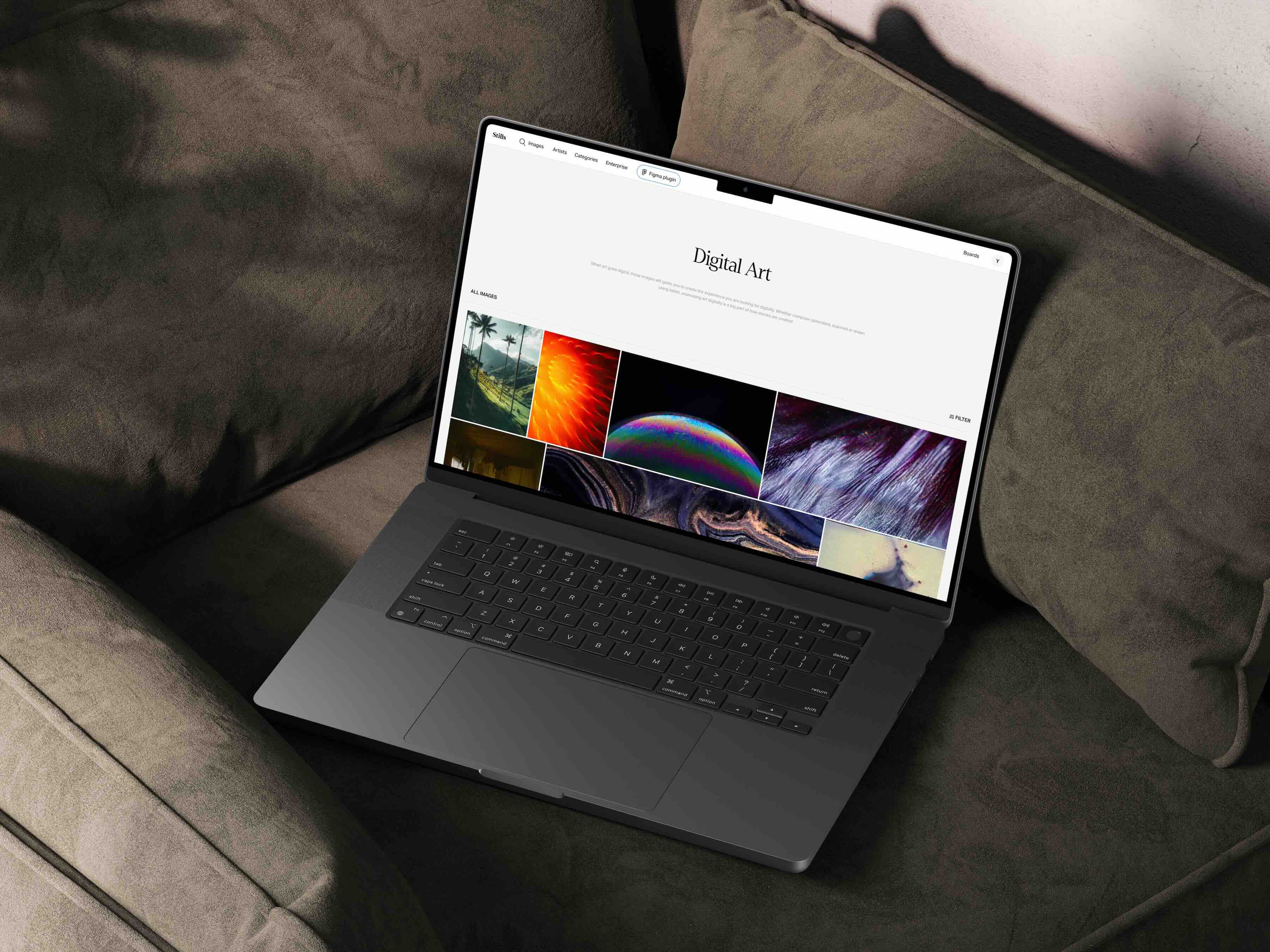
A successful platform launch requires product utility and brand presentation to act in perfect harmony. In parallel with our core system-building, I directed the development of Stills' public-facing marketing launch experience. By coordinating the design system patterns with the brand's premium typographic styling and editorial identity, we ensured that the public's first encounter with the brand matched the rigorous quality of the underlying software utility.
To support this market entry, I designed the official responsive marketing landing page and the custom brand logotype, establishing a cohesive visual handshake. Rather than treating this as a separate creative exercise, I executed these assets using our core layout rules, ensuring a seamless visual transition as a visitor moves from the promotional landing page directly into the signed-in application interfaces. This unified execution proved that maintaining close integration between strategic brand-positioning and highly functional product design is the most effective way to establish immediate market trust and drive platform adoption from day one.
A successful platform launch requires product utility and brand presentation to act in perfect harmony. In parallel with our core system-building, I directed the development of Stills' public-facing marketing launch experience. By coordinating the design system patterns with the brand's premium typographic styling and editorial identity, we ensured that the public's first encounter with the brand matched the rigorous quality of the underlying software utility.
To support this market entry, I designed the official responsive marketing landing page and the custom brand logotype, establishing a cohesive visual handshake. Rather than treating this as a separate creative exercise, I executed these assets using our core layout rules, ensuring a seamless visual transition as a visitor moves from the promotional landing page directly into the signed-in application interfaces. This unified execution proved that maintaining close integration between strategic brand-positioning and highly functional product design is the most effective way to establish immediate market trust and drive platform adoption from day one.